
Frequently Asked Questions about Pulmonology
Pulmonology FAQ
What is pulmonology, and what conditions does it cover ?
Pulmonology is a medical specialty focused on preventing, diagnosing, and treating diseases related to the respiratory system. It covers conditions such as asthma, pneumonia, tuberculosis, COPD, lung cancer, and more.
When should I consult a pulmonologist?
You should consult a pulmonologist if you experience persistent symptoms like cough, shortness of breath, chest pain, or if you have risk factors such as smoking, exposure to environmental pollutants, or a family history of lung diseases.
What diagnostic tests are commonly used in pulmonology?
Pulmonary function tests, chest X-rays, CT scans, bronchoscopy, and sleep studies are common diagnostic tests used in pulmonology to assess lung function and identify respiratory conditions.
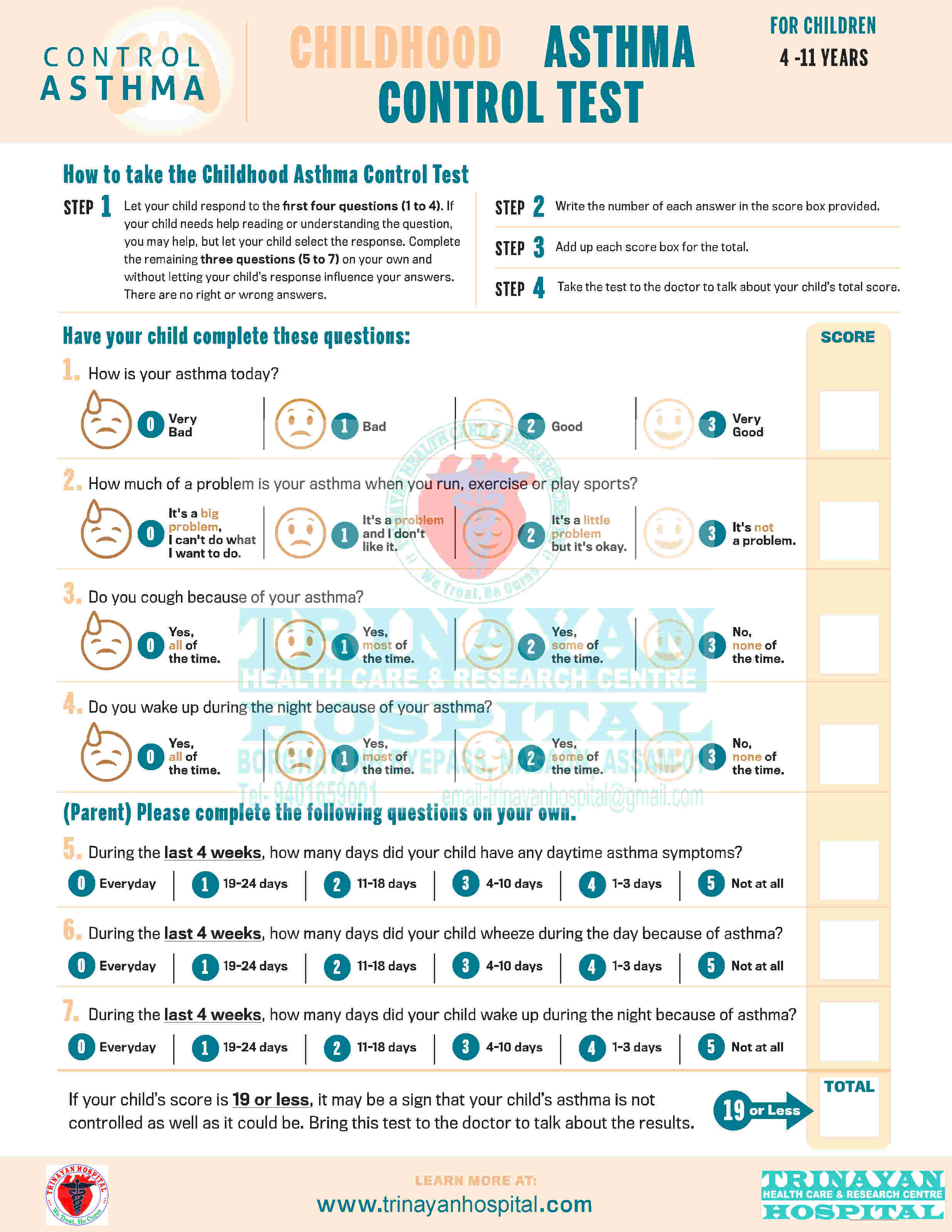
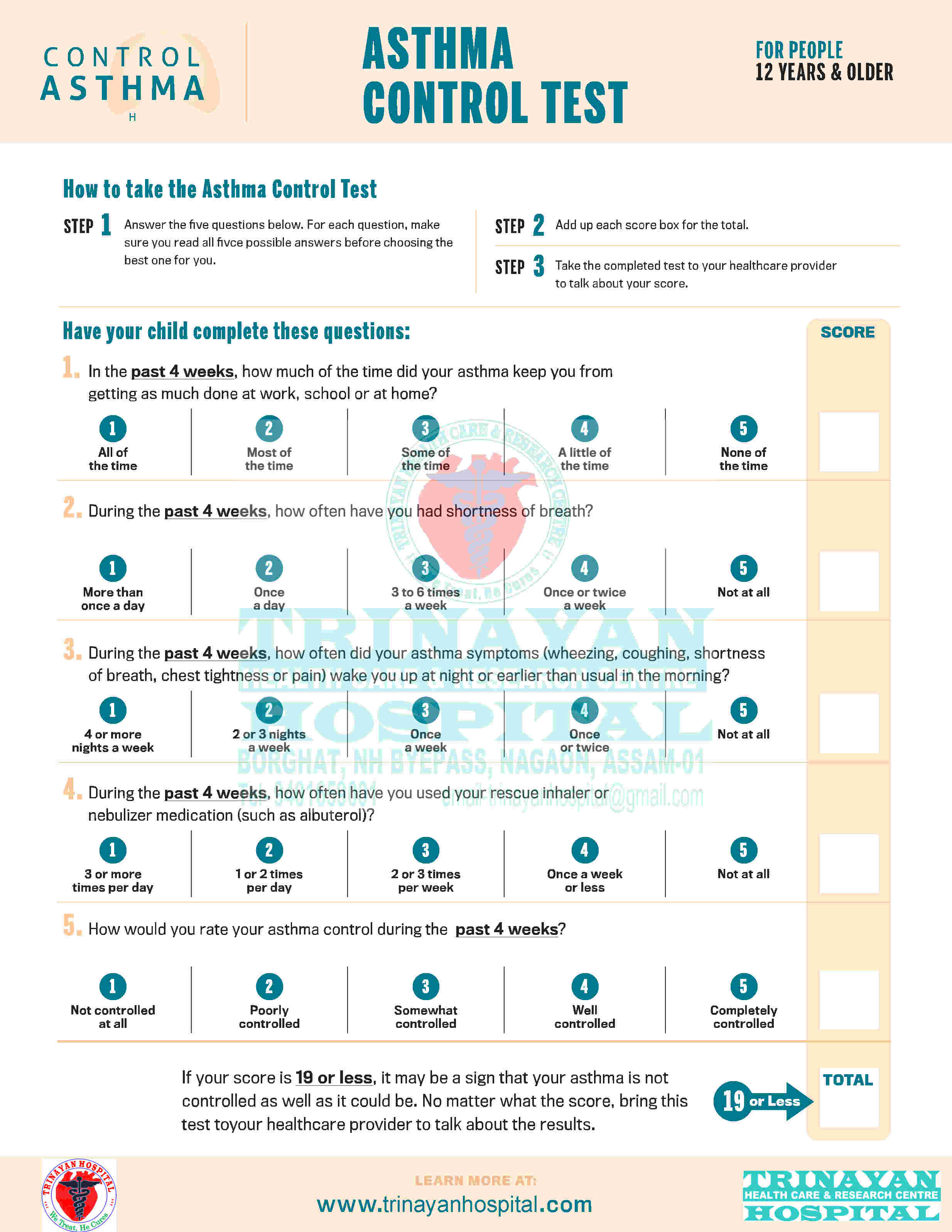
How is asthma diagnosed and treated?
Asthma is diagnosed through pulmonary function tests and may involve allergy testing. Treatment includes bronchodilators, inhaled corticosteroids, lifestyle modifications, and sometimes, allergy management.
What is the role of a pulmonologist in managing tuberculosis (TB)?
Pulmonologists play a crucial role in diagnosing and treating TB. They may use chest X-rays, CT scans, and sputum tests for diagnosis. Treatment involves a course of antibiotics under careful medical supervision.
Can lung cancer be effectively treated, and what are the options?
Lung cancer treatment depends on the type and stage. Options may include surgery, chemotherapy, radiation therapy, targeted therapy, and immunotherapy. Early detection through screenings enhances treatment success.
How is Chronic Obstructive Pulmonary Disease (COPD) managed?
COPD management includes lifestyle changes (smoking cessation, exercise), bronchodilators, inhaled corticosteroids, oxygen therapy, and pulmonary rehabilitation.
What is Cystic Fibrosis, and how is it treated?
Cystic Fibrosis is a genetic disorder affecting mucus production. Treatment involves medications, chest physiotherapy, nutritional support, and occasionally, lung transplant in severe cases.
Are there non-surgical treatments for pulmonary conditions?
Yes, non-surgical treatments include medications, pulmonary rehabilitation, lifestyle changes, and advanced technologies like PET-CT scans and TrueBeam radiation therapy.
How can I maintain respiratory health and prevent lung diseases?
Maintain respiratory health by avoiding smoking, minimizing exposure to pollutants, practicing good hygiene, staying physically active, and seeking prompt medical attention for respiratory symptoms.